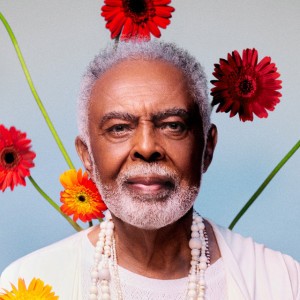
Gil started his music career in the 1950s playing the accordion, drawing inspiration from artists like Luiz Gonzaga and later embracing the bossa nova movement led by João Gilberto and Dorival Caymmi. His early songs reflected the essence of his homeland.
In 1963, Gil met Caetano Veloso, sparking a partnership that fueled the tropicalist movement, which aimed to internationalize Brazilian music, cinema, and other arts. This movement faced backlash from the ruling dictatorship, leading to the exile of Gil and his collaborators. Influenced by acts like The Beatles and Jimi Hendrix during his time in London, Gil continued to produce music upon returning to Brazil, releasing nearly 60 albums and selling around 4 million copies, earning 9 Grammy Awards. His contributions to music and culture were recognized globally, with honors such as UNESCO's Artist for Peace, Brazil's Minister of Culture, and awards from organizations like FAO and Sweden's Polar Music Prize. In 2021, he was bestowed with the titles of Doctor Honoris Causa by Berklee University and immortalized by the Brazilian Academy of Letters.