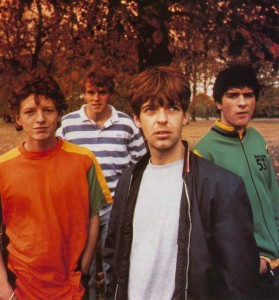

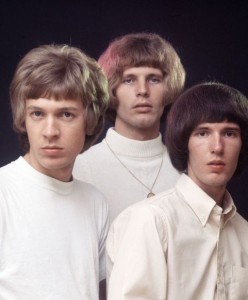
The Walker Brothers
Genres
poppopbrill building popbubblegum popmainstream poprockrock-and-rollbritish invasionmerseybeatpop rockspiritualschristianfolk & traditionalfolk rock
Influential: 52.17%
Fanbase: 26.39%
Trending: 65.06%
As of: 2025-09-07
Top Brand Affinity
Highest overlapping lifestyle brand
As of 2025-09-07
0
Social Media Followers
As of 2025-09-07
00:00:00
Hours Airplay
Scores
Score: DMDB 52.17% |
Fanbase 26.39% |
Trending 65.06% |
CAREER STAGE: MID_LEVEL
Biography
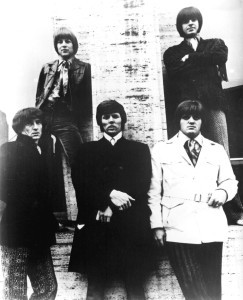
They weren't British, they weren't brothers, and their real names weren't Walker, but Californians Scott Engel, John Maus, and Gary Leeds were briefly huge stars in England (and small ones in their native land) at the peak of the British Invasion. Engel and Maus were playing together in Hollywood when drummer Leeds suggested they form a trio and try to make it in England. And they did -- with surprising swiftness, they hit the top of the British charts with "Make It Easy on Yourself" in 1965. "The Sun Ain't Gonna Shine Anymore" repeated the feat the following year, and the group also had U.K. hits with "My Ship Is Coming In," "(Baby) You Don't Have to Tell Me," "Another Tear Falls," and others. For a few months they experienced frenzied adulation almost on the level of the Beatles and the Stones, though in the U.S. (where they rarely performed) only "Make It Easy on Yourself" and "The Sun Ain't Gonna Shine Anymore" entered the Top 20.
While the Walkers looked the part of British Invaders with their shaggy mop-top hairstyles, they were far more pop than rock. Nor did they play on most of their records. With producer Johnny Franz and veteran British arrangers like Ivor Raymonde (who also worked with Dusty Springfield) and Reg Guest, they favored orchestrated ballads that were a studied attempt to emulate the success of another brother act who weren't really brothers: the Righteous Brothers. Not as soulful as the Righteous Brothers, lead singer Scott Walker's deep croon betrayed strong debts to non-rock vocalists like Tony Bennett and Frank Sinatra. While their biggest hits were covers of songs by American pop songwriting teams like Bacharach-David and Mann-Weil, Scott (and occasionally John Walker) could write brooding originals in a more personal, less overblown style when given the chance.
In the intensely competitive days of 1967, the Walkers' brand of pop suddenly become passé, and the group disbanded in the face of diminishing success and Scott's increasingly fruitful solo career. Scott ran off a series of Top Ten British solo albums in the late '60s, which have attracted a sizable cult with their idiosyncratic marriage of Scott's brooding, insular songs and ornate orchestral arrangements. Gary Walker released a few singles and an album with his group the Rain in a much harder-rocking guitar-oriented format. The Walkers reunited for a while in the mid-'70s, which produced a final British hit ("No Regrets"). Much of the Walkers' story is retold in the biography Scott Walker: A Deep Shade of Blue, published only in Britain. ~ Richie Unterberger, Rovi
While the Walkers looked the part of British Invaders with their shaggy mop-top hairstyles, they were far more pop than rock. Nor did they play on most of their records. With producer Johnny Franz and veteran British arrangers like Ivor Raymonde (who also worked with Dusty Springfield) and Reg Guest, they favored orchestrated ballads that were a studied attempt to emulate the success of another brother act who weren't really brothers: the Righteous Brothers. Not as soulful as the Righteous Brothers, lead singer Scott Walker's deep croon betrayed strong debts to non-rock vocalists like Tony Bennett and Frank Sinatra. While their biggest hits were covers of songs by American pop songwriting teams like Bacharach-David and Mann-Weil, Scott (and occasionally John Walker) could write brooding originals in a more personal, less overblown style when given the chance.
In the intensely competitive days of 1967, the Walkers' brand of pop suddenly become passé, and the group disbanded in the face of diminishing success and Scott's increasingly fruitful solo career. Scott ran off a series of Top Ten British solo albums in the late '60s, which have attracted a sizable cult with their idiosyncratic marriage of Scott's brooding, insular songs and ornate orchestral arrangements. Gary Walker released a few singles and an album with his group the Rain in a much harder-rocking guitar-oriented format. The Walkers reunited for a while in the mid-'70s, which produced a final British hit ("No Regrets"). Much of the Walkers' story is retold in the biography Scott Walker: A Deep Shade of Blue, published only in Britain. ~ Richie Unterberger, Rovi
Login to Update Artist Data
Next refresh: —
Top Brand Affinities
| Brand | Category | Score |
|---|---|---|
|
Affinity data is not available for this artist.
We couldn’t find any connected social media accounts yet.
|
||
Official Profiles
Login to view Contact
LoginTotal Streams
No streaming audience data is available for this artist yet.
Radio Spins (2025-09-07)
| Aired At | Song | Station | Location | Duration (s) |
|---|---|---|---|---|
| No spins for today. | ||||
Popularity (2025-09-06)
| Platform | % |
|---|---|
| No data. | |
Artist Performace Report
Streams: 0 ? 0 (+0.00%)
Estimate Royalties: $0.00 ? $0.00 (+0.00) Royalties measurement are based on average industry payout and may vary by artist
Audience (latest followers)
Total: 0
| Platform | Latest |
|---|
Popularity Change (%)
| Platform | 2025-09-05 | 2025-09-06 | Change |
|---|
Streaming Audience Growth
| Platform | 2025-09-05 | 2025-09-06 | Change |
|---|
Radio Airplay Change (min)
| Song | 2025-09-05 | 2025-09-06 | Change |
|---|
Streams & Royalties
| Metric | 2025-09-05 | 2025-09-06 | Change |
|---|---|---|---|
| Streams | 0 | 0 | +0 |
| Royalties | $0.00 | $0.00 | +0.00 |