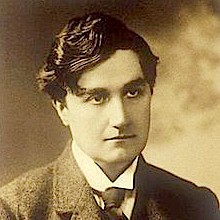
Ralph Vaughan Williams was a key figure in the 20th-century English music renaissance, known for his unique post-Romantic style characterized by long, smooth lines and modal tonalities drawn from folk sources. His significant works include the nine symphonies, orchestral pieces like Fantasia on a Theme of Thomas Tallis, and choral settings of hymns and folk songs found in various collections he co-edited. Despite facing personal challenges early in life, Vaughan Williams enjoyed financial stability and pursued studies in history and music at Trinity College, Cambridge, and the Royal College of Music. His interest in English folk music greatly influenced his compositional approach, showcased in works like On Wenlock Edge and his Symphony No. 2, "A London Symphony," reflecting the sounds of the city. Vaughan Williams' diverse output also includes highly regarded religious music and the opera The Pilgrim's Progress, demonstrating his enduring creative vitality until his passing at age 87.