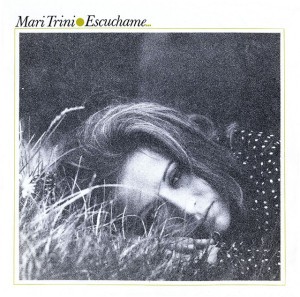
Mari Trini, born María Trinidad Pérez de Miravete, rose to fame in Spain during the final years of Franco's rule with feminist protest anthems challenging societal norms. Despite a difficult childhood battling illness and deformities, she emerged as a folksinger in Madrid, eventually releasing her self-titled debut album in 1969. Trini's third album, 1972's Escúchame, solidified her status as a voice for young women in Spain with hits like "Yo no Soy Ésa," though she remained private about her personal life as a closeted lesbian.
As her career evolved towards mainstream pop, Trini's albums like 1982's Una Estrella en Mi Jardín saw commercial success, but her stardom waned in the following decade. She made a comeback with 2001's Mari Trini con los Panchos, revisiting her classic songs with Latin American trio Los Panchos. Recognized for her contributions, Trini received accolades such as a diamond disc in 2005 and the "Struggle for Equality" award in 2008 for depicting women's issues in her music. Despite health struggles, she continued to create until her passing on April 6, 2009.