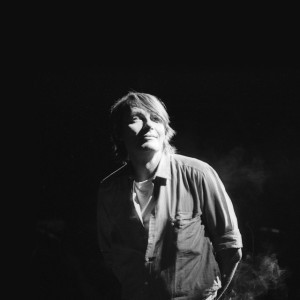
Fabrizio Cristiano De André (Genova, February 18, 1940 – Milan, January 11, 1999) was an Italian singer-songwriter known for his storytelling in songs that often depicted marginalized individuals. Referred to as Faber by childhood friend Paolo Villaggio due to his fondness for Faber-Castell pencils, De André released thirteen studio albums and several singles that have been praised for their poetic qualities.
Throughout his nearly forty-year career, De André's lyrics, often likened to poetry, delved into themes of rebellion, social outcasts, and prostitutes. He was recognized for his anarchist, libertarian, and pacifist views, as well as his contributions to the Ligurian language and other regional dialects such as Gallurese and Neapolitan. As a key figure in the Genoese School alongside artists like Bruno Lauzi and Gino Paoli, De André played a significant role in shaping Italian popular music, earning multiple accolades from the Club Tenco, including six Targhe and a Premio Tenco.